Roof Installation Costs
Roof Installation Cost Guide - Pros Won’t Tell You This
A roof replacement costs about $9,500 on average in the U.S., according to Angi, with prices ranging from about $5,800 to $46,000. Most homeowners pay $4 to $11 per square foot, depending on roof size, material, pitch, local labor rates, and extra work like removing the old roof.
This guide breaks down how much a new roof costs, what drives the price up or down, and how to get an accurate roofing estimate for your home.
In this guide:
- How Much Does a Roof Replacement Cost?
- How Much Does a Roof Cost by Material?
- What Factors Affect Roof Replacement Cost?
- Should You Repair or Replace Your Roof?
- Should You Replace Your Roof Yourself or Hire a Professional?
- What Should You Ask a Roofer Before Hiring?
- Frequently Asked Questions
Check the Cost of Roof Installation in Your Area
Get QuotesHow Much Does a Roof Replacement Cost?
A new roof costs about $9,500 on average, but your price can land anywhere from about $5,800 for a small, simple roof to $46,000 or more for a large roof with premium materials, according to Angi. Here's what each price range usually covers:
|
Price Level |
Typical Cost |
What It Usually Covers |
|---|---|---|
|
Low End |
About $5,800 |
Smaller roofs with basic asphalt shingles and a simple design |
|
Average |
About $9,500 |
Mid-size homes with standard asphalt shingles |
|
High End |
Up to $46,000+ |
Large or complex roofs with premium materials like slate, tile, or metal |
A new roof costs about $4 to $11 per square foot installed, according to Angi. Roofers also price by the square, a unit equal to 100 square feet of roof surface.
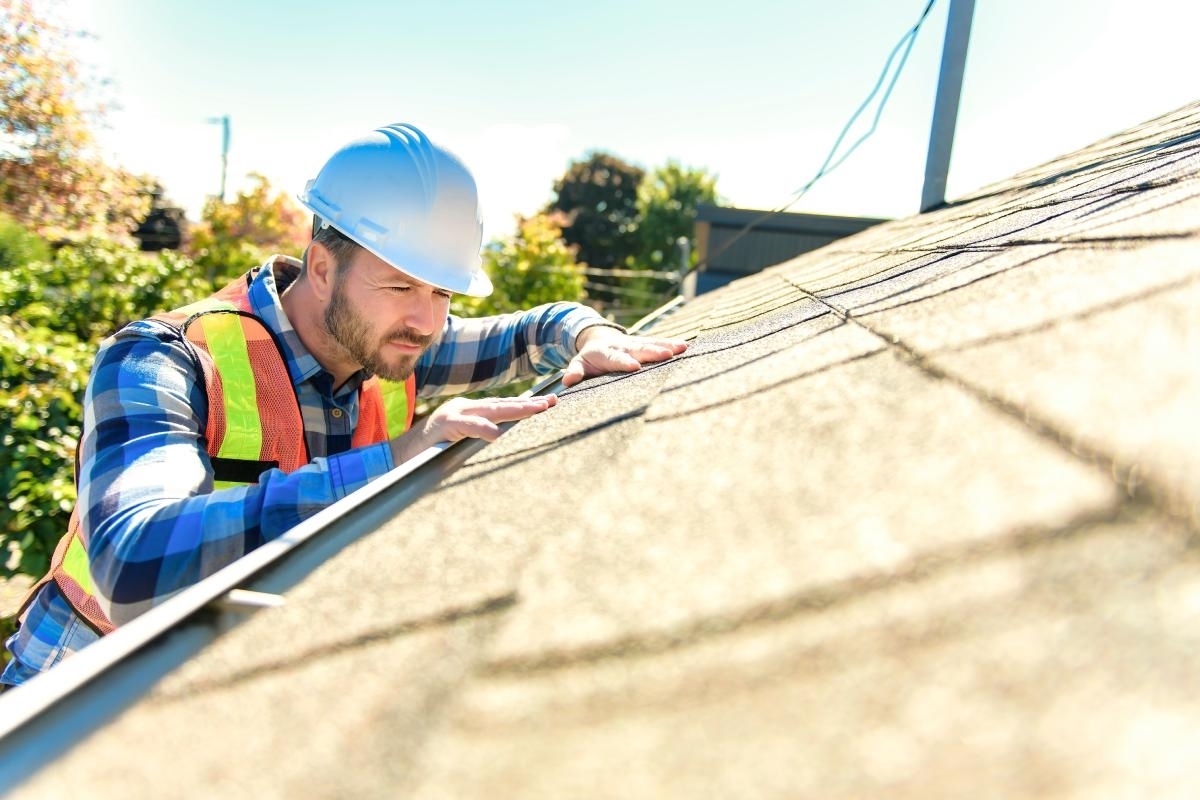
Based on that range, here's roughly how much a new roof costs by roof size:
|
Roof Size |
Estimated Total Cost |
|---|---|
|
1,000 to 1,500 sq ft |
$4,000 to $16,500 |
|
1,500 to 2,000 sq ft |
$6,000 to $22,000 |
|
2,000 to 2,500 sq ft |
$8,000 to $27,500 |
|
2,500 to 3,000 sq ft |
$10,000 to $33,000 |
Note: These estimates are based on $4 to $11 per square foot and can vary with location, materials, and roof complexity.
Labor makes up about 60% of the cost of a new shingle roof, according to NerdWallet, and roofers generally charge around $40 to $90 per hour per worker, according to Angi. Your roofing labor cost per square foot depends on your location and how complex your roof is.
Experienced labor may cost more, but it helps make sure your roof is installed correctly and lasts longer.
How Much Does a Roof Cost by Material?
Asphalt shingles are the most affordable roofing material, while metal, slate, and clay cost the most per square foot. Here are typical installed prices by material, according to NerdWallet:
|
Material |
Cost per Square Foot (Installed) |
|---|---|
|
Asphalt Shingles |
$4.25 to $12.25 |
|
Wood |
$6 to $13 |
|
Composite |
$8 to $14 |
|
Clay |
$12 to $25 |
|
Slate |
$12 to $30 |
|
Metal |
$10 to $35 |
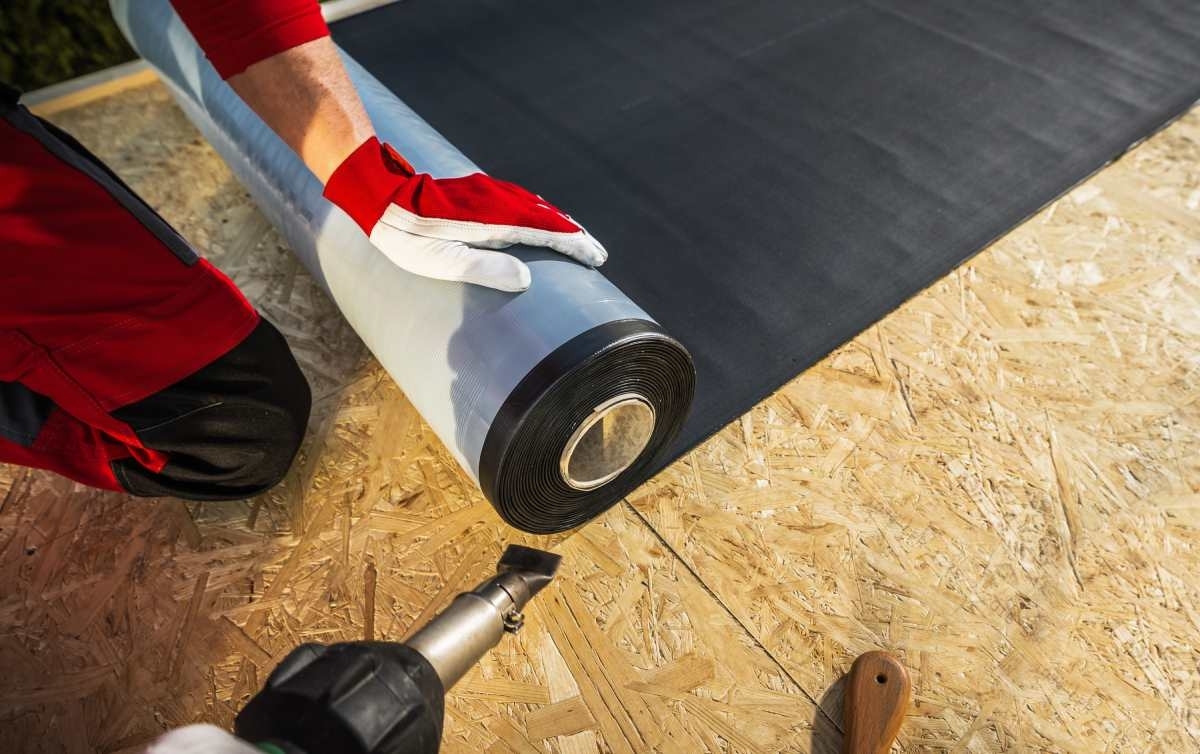
Price isn't the only thing to compare. Each material offers different benefits in durability, appearance, and maintenance:
- Asphalt Shingles: The most common and cost-effective option, suitable for a wide range of roof pitches.
- Metal Roofing: Durable and energy-efficient, but more expensive upfront.
- Slate and Tile: High-end options that offer longevity and a distinct style, at a higher cost.
Picking the right material affects both your new roof cost and the long-term value and appeal of your home. To compare materials in more detail, see our guide to roofing styles and materials.
What Factors Affect Roof Replacement Cost?
The main factors that affect roof replacement cost are roof pitch, location, removal of the old roof, hidden repairs, roof features like skylights and chimneys, clean-up, and warranty coverage. Knowing them in advance helps you budget accurately and avoid surprises.
A steeper roof costs more because it takes more time, labor, and safety equipment to install:
- Steep Roofs: Need more labor and safety gear, which increases the roofing labor cost per square foot.
- Moderate to Low Pitch: Easier and faster to work on, which can lower labor costs.
Roofing prices vary by region because of local labor rates, material availability, and weather. For example, roofing in urban areas is often more expensive than in rural areas, so getting a local estimate is always a smart move.
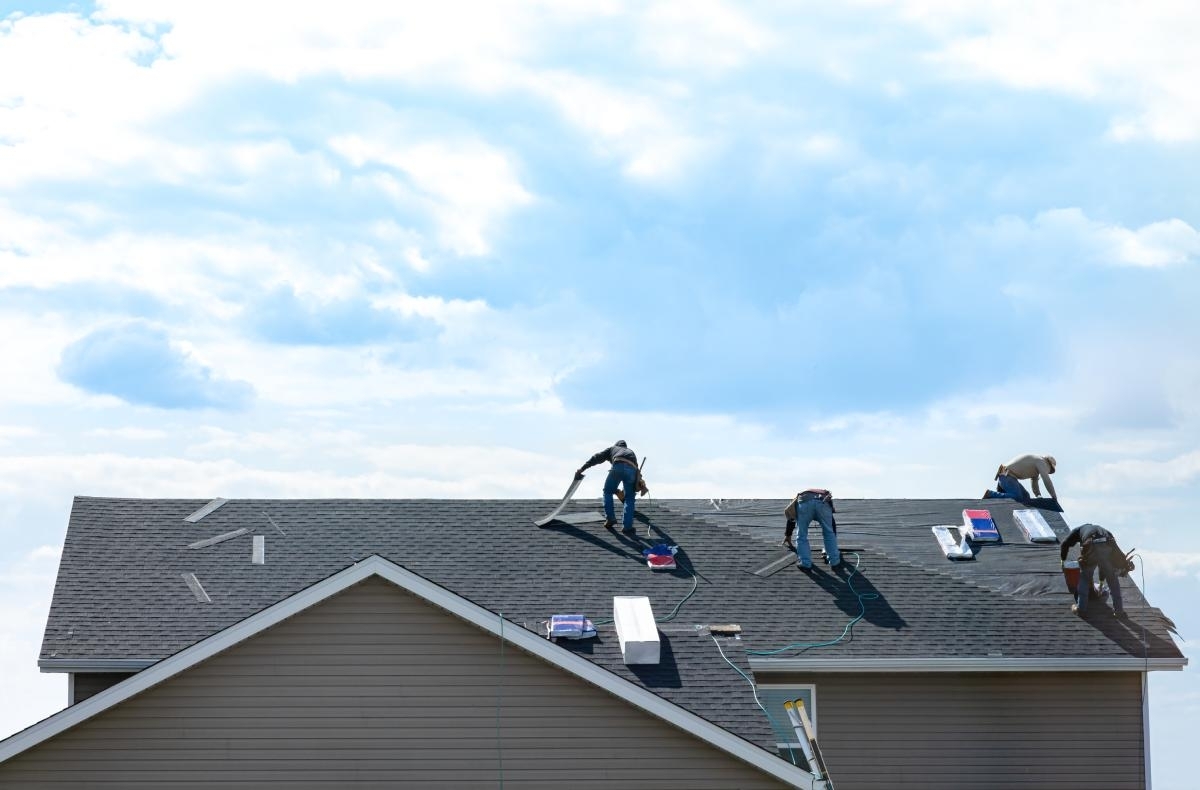
- Removal of the Old Roof: Removing and disposing of old shingles typically adds $1,000 to $5,000, according to NerdWallet, depending on roof size and the number of layers.
- Required Repairs: Hidden issues, like damaged decking or underlayment, often show up once the old roof comes off, so it's smart to budget for them.
- Skylights, Chimneys, and Vents: These features need careful sealing and flashing, which increases both material and labor costs.
- Clean-Up: Some roofers include clean-up in their quote, while others charge extra, so ask before you sign.
- Warranty and Insurance: A good warranty adds to the upfront cost but protects you from future repair expenses.
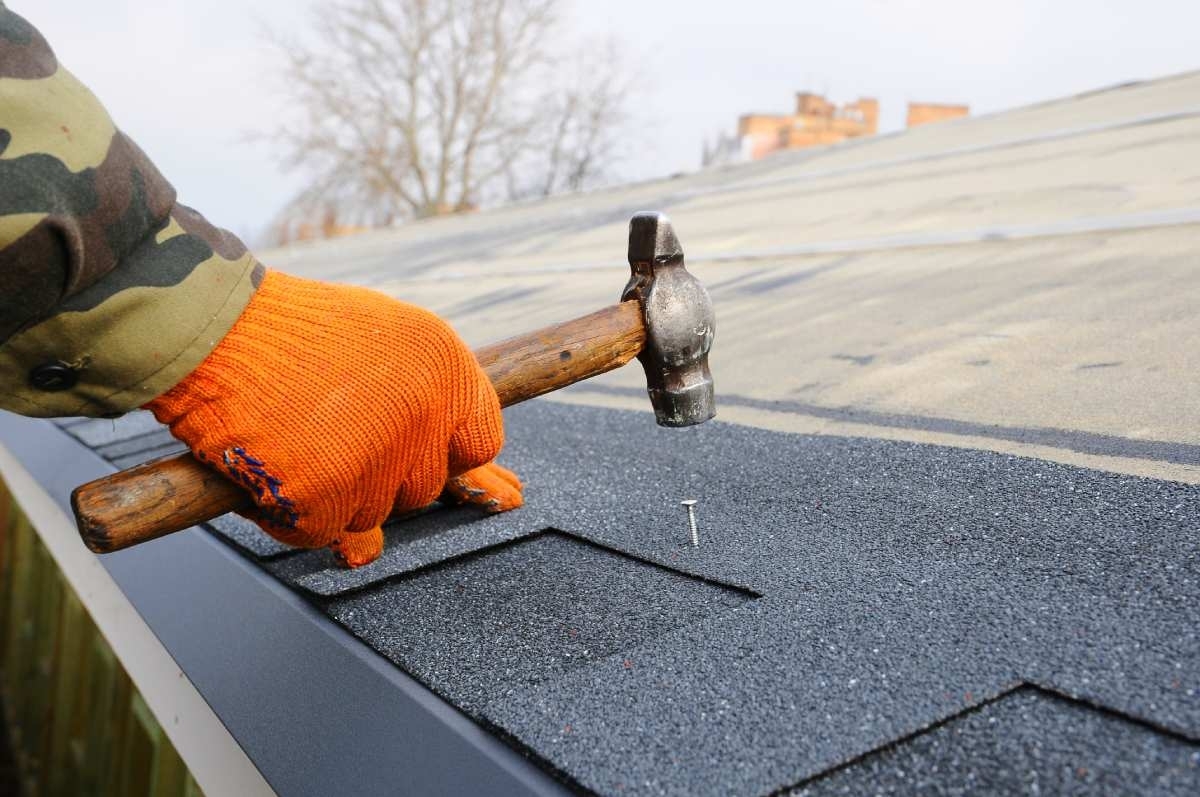
While your roof is being replaced, it's also a good time to ask about gutter cleaning and protection.
Should You Repair or Replace Your Roof?
Repair your roof if the damage is small and limited to one area, and replace it if the damage is widespread or the roof is near the end of its lifespan. A repair costs less upfront, but it may not fix underlying problems, which can lead to more frequent maintenance costs.
A full replacement removes the old roof completely and installs a new one. It costs more, but it's a long-term solution. A partial replacement only covers the damaged section, so it's more budget-friendly, but it can lead to higher costs later if the rest of the roof is aging. Investing in a new roof can also add value to your property.
Should You Replace Your Roof Yourself or Hire a Professional?
For most homeowners, hiring a professional is the better choice. A DIY roof replacement may save on labor, but it comes with safety risks, no workmanship warranty, and a higher chance of costly mistakes.
Here's why a professional roofer is usually worth it:
- Expertise and Quality: Professional roofers have the skills and experience to handle unexpected issues and install your roof correctly.
- Safety: Roofing is high-risk work. Professionals are trained to work at heights and have the right safety equipment.
- Time and Efficiency: A professional crew finishes a roof installation much faster than one person, which matters in regions with unpredictable weather.
- Warranty and Liability: Professional roofers typically offer warranties on their workmanship and carry insurance, which means less liability for you.
- Cost of Materials and Tools: DIY materials and tools add up quickly, while professionals often get better prices through industry connections.
- Long-Term Value: A professionally installed roof can last longer and add more value to your home if you plan to sell.
Finding the right pro doesn't have to be complicated. Get a free quote from local licensed experts and compare your options.
What Should You Ask a Roofer Before Hiring?
Before hiring a roofer, ask about their experience, licensing and insurance, warranties, timeline, and how they handle unexpected repairs. These questions help you compare quotes and avoid surprises:
- What is your experience with roof installations?
- Can you provide local references or examples of your recent work?
- Are you licensed, insured, and bonded?
- What roofing materials do you recommend for my home, and why?
- How will you protect my property during the project?
- What is the estimated timeline for my roof?
- Can you provide a detailed written estimate?
- How do you handle unexpected issues or additional repairs?
- What warranties do you offer on materials and workmanship?
- How do you handle clean-up and disposal of materials?
- Will I have a dedicated project manager or point of contact?
- What payment terms and options do you offer?
Ready to take the next step? Get your free, no-obligation roofing quote and we'll connect you with trusted local roofing pros.
Check the Cost of Roof Installation in Your Area
Get QuotesFrequently Asked Questions
How Do You Calculate Roof Cost?
Roof cost is based on roof size, materials, labor, pitch, and extra features like chimneys or skylights. A roof cost estimator can give you a detailed breakdown for your home.
What Time Of Year Is The Cheapest to Replace a Roof?
Late fall and early winter are often the cheapest times to replace a roof because demand is lower. Weather conditions in your area still need to allow for safe installation.
How Much Does a Roof Cost Per Square Foot?
A new roof costs about $4 to $11 per square foot installed, according to Angi. The price depends mainly on the material and your location.
How Often Does a Roof Need to be Replaced?
Asphalt shingle roofs usually last 15 to 30 years, while metal, tile, and slate roofs last much longer. Regular inspections help you know when it's time to replace yours.
Is Installing a Roof Easy?
Roof installation is complex and requires professional skills and safety equipment. DIY roofing is generally not recommended.
How Much Does a New Roof Increase Home Value?
A new asphalt shingle roof recoups about 57% of its cost at resale, according to Remodeling's Cost vs. Value Report. It also improves curb appeal, which makes your home more attractive to buyers.
Related Resources
All About Roofing: Basics of Roof Systems [2026]
Best Roofing Styles & Materials For Your House [2026]
Roof Replacement Guide: All You Need to Know
Roofing for Beginners: A Step-by-Step Guide
Last update: 24 Oct 2026